
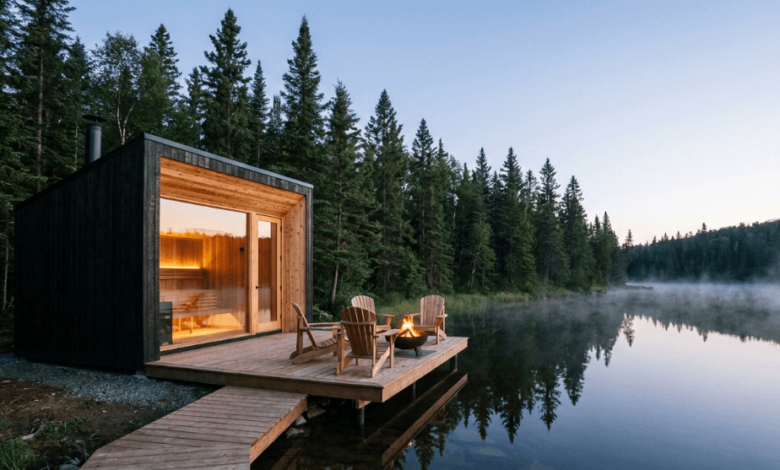
Winter is when an outdoor sauna earns its keep: the contrast between a 15 degree yard and a 180 degree cabin is sharper, the heater runs at peak efficiency against cold outside air pulling heat through the door quickly on exit, and there is no better cold-weather reason to step outside than a hot room waiting at the end of the path. Owners who buy in fall and use the sauna through their first winter are far more likely to keep the habit than those who buy in June and let it sit once summer ends.
Why does cold air make the sauna experience better, not worse?
A sauna heats by radiant and convective transfer inside a sealed cabin, and the temperature differential between inside and outside is what makes the experience feel dramatic. In summer, stepping from an 85 degree evening into a 180 degree cabin is only a 95 degree jump. In January, stepping from a 20 degree yard into that same cabin is a 160 degree swing, and the walk back out into snow or cold air afterward produces the sharp, invigorating contrast that regular sauna users describe as the actual point of the ritual. Scandinavian sauna culture developed in exactly this climate for that reason.
How much longer does a sauna take to heat in freezing weather?
A cabin with 1.5 to 2 inch insulated wall panels and a properly sized heater, generally 1kW per roughly 45 cubic feet of interior space, will still reach full temperature in freezing weather, just 10 to 20 minutes slower than on a 60 degree day. Thinner uninsulated shells lose heat faster through the walls and struggle more in true cold snaps, which is one reason insulated panel construction matters more for buyers in northern climates than for those in the Southeast. Wood-burning heaters actually perform relatively better in deep cold since the firebox generates more raw output than most electric elements, though they take longer to get going from a stone-cold start.
Electric or wood heat: which handles winter better?
Electric heaters with a digital thermostat hold a steady set point regardless of outside temperature, which makes them predictable for a quick weeknight session after work in the dark. Wood-burning heaters need 45 to 75 minutes to bring a cabin to temperature in winter, plus dry, seasoned wood stored somewhere it will not get wet from snow, but they reward the extra effort with a more intense, drier heat that many long-time users prefer once the fire is established. Buyers weighing the two, along with sizing and heater wattage for their specific yard, can compare current cabin and heater pairings at sweatdecks.com/collections/outdoor-saunas before deciding which setup fits their winter routine and budget.
What changes about maintenance once temperatures drop?
Snow load on the roof is the main new consideration. A cabin with at least a 15 to 20 degree roof pitch sheds snow on its own; flatter roofs may need occasional clearing to avoid stress on the structure after a heavy storm. Door seals and hinges should be checked before the season starts, since a gap that lets in a draft in October becomes a real heat leak once it is 10 degrees outside. Keep the path to the door shoveled and add a rubber mat or grippy surface outside the threshold, since a wet or icy step is the most common winter sauna injury and an easy one to prevent.
Is a winter-only sauna habit worth the upfront cost?
Households that only use a sauna a few times in summer often question the investment, but winter changes the math because there are fewer competing outdoor activities and more evenings people are actively looking for a reason to leave the couch. A family that uses a 6-person cabin twice a week from November through March logs roughly 40 sessions a season, which brings the effective per-session cost down substantially compared to occasional summer use. The heater’s energy draw stays modest even with the winter penalty, typically $1.50 to $2.50 per session on a mid-size electric unit at average residential electricity rates.
What gear makes winter sauna sessions easier?
A few small additions matter far more in January than in July. Rubber-backed outdoor mats at the door prevent slush and snow from turning the threshold into an ice patch, and a simple LED motion light on the path means nobody is fumbling with a phone flashlight in a robe. Inside the cabin, a mounted analog thermometer and hygrometer let a family track temperature without opening the door and losing heat, which matters more in winter when every door opening costs real recovery time. A canvas or cedar bucket with a ladle for water on the stones stays useful year-round, but in winter it is worth keeping just inside the door rather than on an exterior rack where it can freeze solid overnight.
Robes and slides dedicated to sauna use, kept on a hook just inside the back door, cut down on the friction of getting outside in the cold, which is often the real barrier to a winter session rather than anything about the sauna itself. Households that make the walk from house to cabin as short and well-lit as possible use their sauna noticeably more often once temperatures drop, since the psychological barrier of stepping into 20 degree air is the main thing standing between someone and a hot room that takes less than a minute to walk to.
How does a winter routine compare to a summer one?
Summer sauna use tends to be occasional and social, often paired with a pool or a group gathering, while winter use tends to be shorter, more frequent, and more solitary or paired down to a couple or a small family group. Winter sessions average slightly shorter, often 12 to 15 minutes per round instead of a full 20, since the temptation to linger outside afterward is lower and people tend to cycle through rounds more efficiently. The heater cycles more in winter to hold temperature against constant heat loss through the walls and door seal, which is normal and not a sign anything is wrong with the unit, just physics working against a bigger temperature gap.
Frequently Asked Questions
Can an outdoor sauna heat up properly in freezing weather?
Yes. A well-insulated cabin with a correctly sized heater still reaches 170 to 190 degrees Fahrenheit in freezing temperatures, though preheat time runs 10 to 20 minutes longer than in mild weather because the shell starts colder.
Does cold-to-hot contrast make sauna bathing more effective?
Alternating heat with a cold plunge or snow roll is a long Nordic tradition, and some research links regular hot-cold sauna habits to cardiovascular benefits, though evidence is strongest for sauna frequency itself rather than the cold exposure specifically.
Do pipes or plumbing freeze in an outdoor sauna during winter?
Most outdoor sauna cabins have no plumbing at all, only an electric or wood heater, so freeze risk is minimal. If a model includes an exterior shower or water line, it needs to be drained or heat-traced before hard freezes.
How much more does it cost to run a sauna in winter than summer?
Expect roughly 20 to 30 percent more energy use per session in freezing weather compared to a mild fall evening, since the heater works harder against a colder shell and outside air. On a typical 6kW unit that is still well under two dollars per session.
References
- Hussain, J. et al. “Cardiovascular and Other Health Benefits of Sauna Bathing: A Review of the Evidence.” Mayo Clinic Proceedings, 2018. https://pubmed.ncbi.nlm.nih.gov/30077204/
- Laukkanen, T. et al. “Effects of heat and cold on health, with special reference to Finnish sauna bathing.” American Journal of Physiology – Regulatory, Integrative and Comparative Physiology, 2018. https://pubmed.ncbi.nlm.nih.gov/29351426/
- “Does the Combination of Finnish Sauna Bathing and Other Lifestyle Factors Confer Additional Health Benefits? A Review of the Evidence.” Mayo Clinic Proceedings, 2023. https://pubmed.ncbi.nlm.nih.gov/37270272/

